Today's Decisions,
Tomorrow's Shorelines
Understanding what drives erosion is only the beginning. How our shoreline responds to changing conditions also shapes how we choose to manage it. Over the past several years, the GDI Partnership has worked with coastal scientists, engineers, state agencies, and neighboring islands to better understand these conditions and explore how shoreline management can adapt over time. The resources below bring those lessons together—from field observations and workshops to nature-based strategies, shoreline assessments, and practical approaches for managing a changing coast.

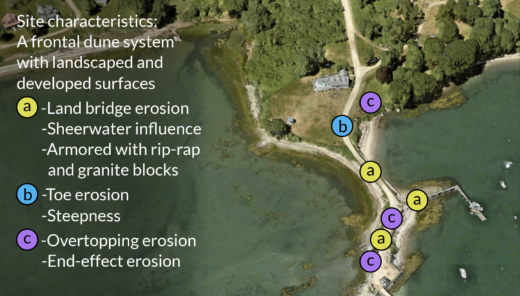
2023 LIVING SHORELINES WORKSHOP AND BOAT TOUR. This workshop for coastal policy makers and practitioners was hosted by the GDI Partnership in collaboration with the Maine Geological Survey, and the Gulf of Maine Research Institute (GMRI) and supported through an Island Institute grant, this workshop brought together coastal scientists, engineering firms, and Maine DEP experts to explore shoreline erosion, sea level rise, and practical shoreline management approaches. The program included presentations and a panel discussion at GMRI followed by a Casco Bay boat tour to erosion sites on Great Diamond Island and Long Island, where participants examined erosion challenges, shoreline management approaches, and Maine DEP shoreline zoning and permitting requirements.
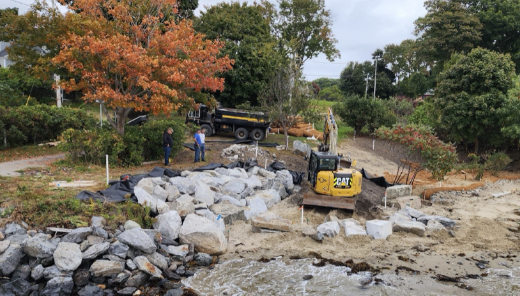
CALLING YOUR BLUFF—ISLAND STRATEGIES FOR COASTAL EROSION INITIATIVE. Organized by the GDI Partnership, this regional education initiative used repeat drone surveys to monitor shoreline change at Casino Beach on Little Diamond Island, Fowler's Beach on Long Island, Diamond Cove on Great Diamond Island, and a shoreline retreat site on Chebeague Island. The project culminated in a webinar hosted by the Greater Portland Council of Governments, where presenters highlighted restoration work and key findings from the Little Diamond (Casino Beach and bluff restoration), Long (Fowler's Beach erosion cycles), and Chebeague Island (shoreline retreat). The Maine Department of Environmental Protection also introduced its OURSHORE coastal evaluation program, using the Diamond Cove site to demonstrate how communities can evaluate shoreline conditions and identify practical shoreline management options. The program concluded with a panel discussion exploring regulatory considerations, community decision-making, volunteer capacity, and the resources needed to support long-term shoreline management.
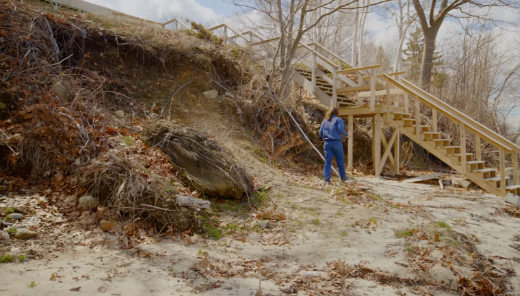
NATURE-BASED STRATEGIES 101. As climate change increases storm intensity and sea level rise, Maine's island communities are on the frontline of extreme shoreline change. One approach gaining momentum is the use of nature-based strategies. This six-minute video explains what nature-based strategies are, how they differ from traditional shoreline stabilization methods, and why this and hybrid (like the Casino Beach Restoration Project on Little Diamond) approaches that combine natural features with engineered solutions can provide more resilient, long-term shoreline management. Featuring examples from Great Diamond Island and neighboring Long Island, the video illustrates the changes already occurring along our coast and highlights how island communities, scientists, and state agencies are working together to support shoreline resilience.
CALLING YOUR BLUFF TOOLKIT. More than 20% of Casco Bay's coastal bluffs have been armored—often with riprap. As baseline sea levels rise and coastal conditions continue to change, these hard structures will require ongoing maintenance and repairs. This toolkit provides educational resources, lessons learned, and practical guidance to help coastal communities and property owners better understand shoreline processes, explore more sustainable approaches, and support adaptive management by planning for long-term shoreline resilience.
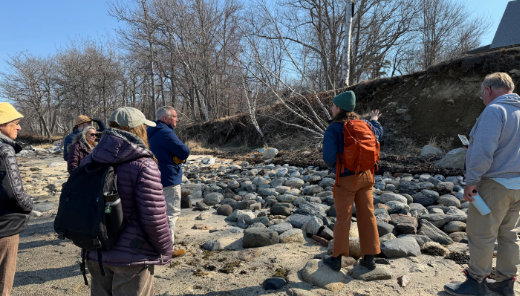
GDI OUR SHORE REPORT. This comprehensive report documents the 2026 OUR SHORE assessments completed at three Great Diamond Island properties. Prepared through the Maine Department of Environmental Protection's OUR SHORE program, it includes site observations, shoreline conditions, upland factors, and recommendations based on current best practices for shoreline and upland management.
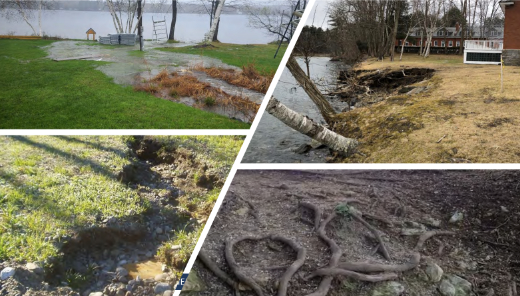
DEMYSTIFYING NATURE-BASED STRATEGIES. This workshop explores how nature-based strategies can help island communities prepare for coastal change while protecting infrastructure and natural resources. Presenters from the Maine Coastal Program, the Nature Conservancy, and the Maine Department of Environmental Protection discuss green infrastructure, wetland restoration, flood adaptation, and nature-based approaches to shoreline erosion, supported by practical case studies from Maine communities. Materials include video, slides and workshop summary.